
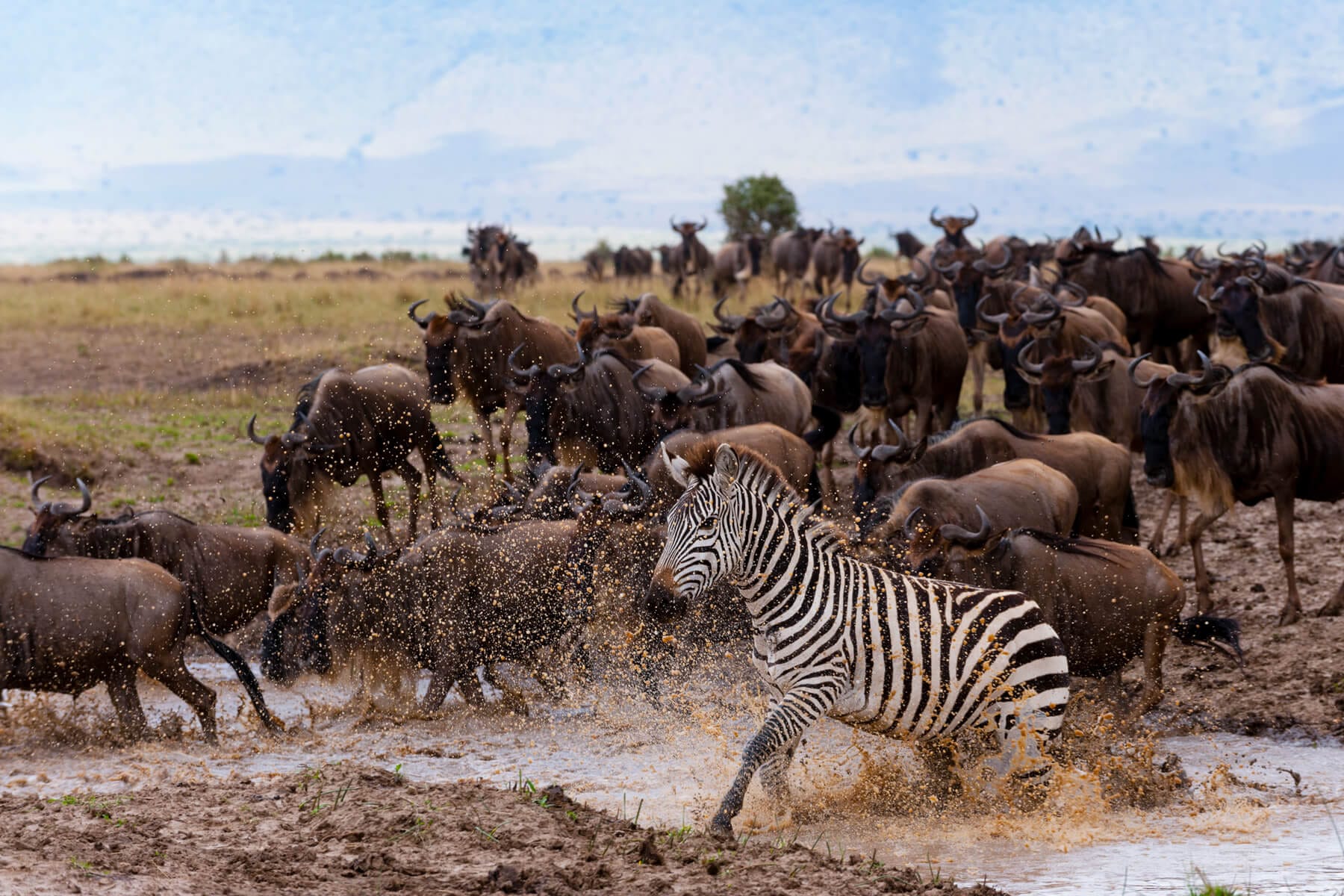
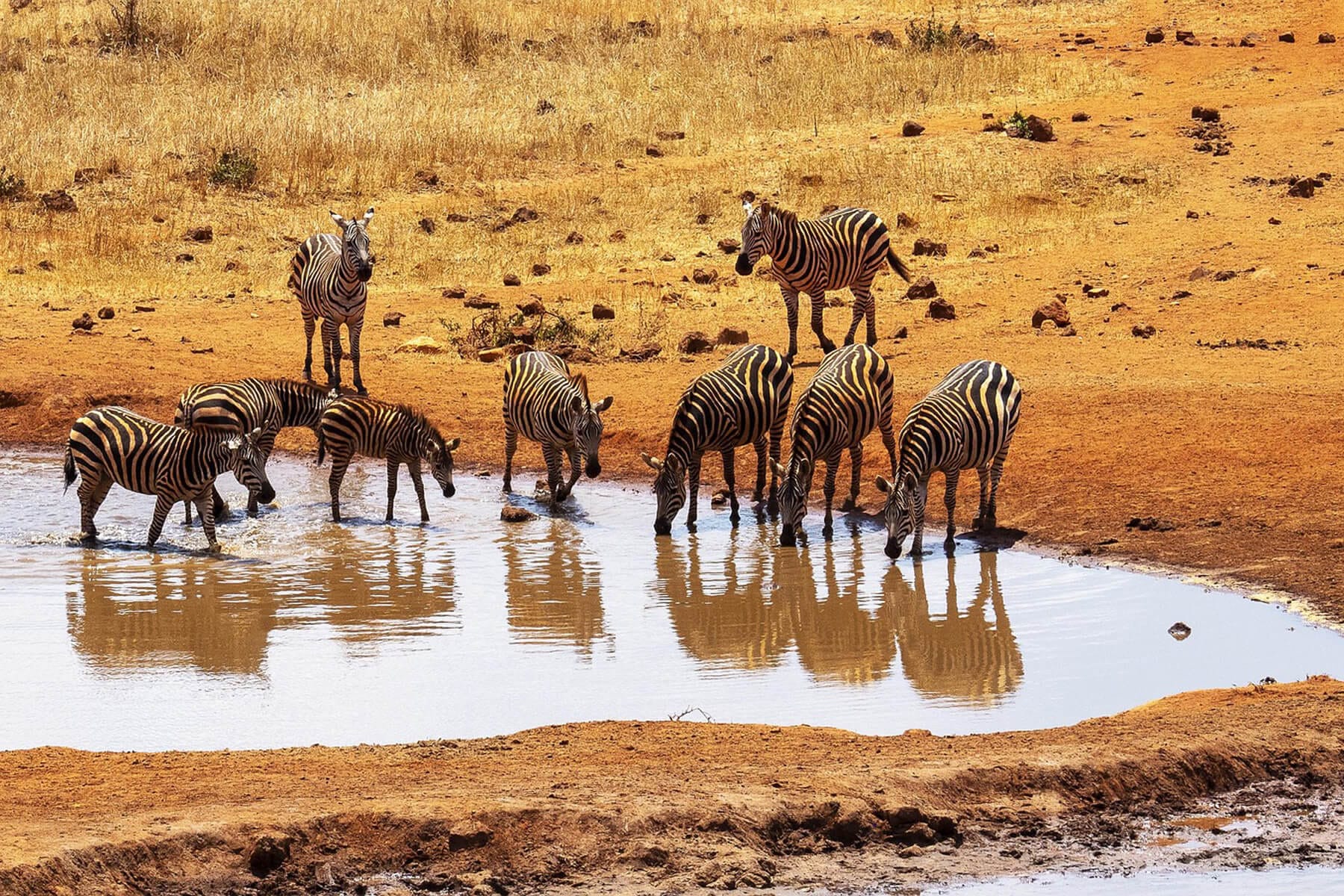
Each year, millions of wildebeest, zebras, and gazelles move across the Serengeti–Mara ecosystem in search of fresh grazing. In Kenya’s Maasai Mara, this epic movement reaches its most dramatic moments as vast herds gather at the Mara River and brave powerful currents and waiting predators.
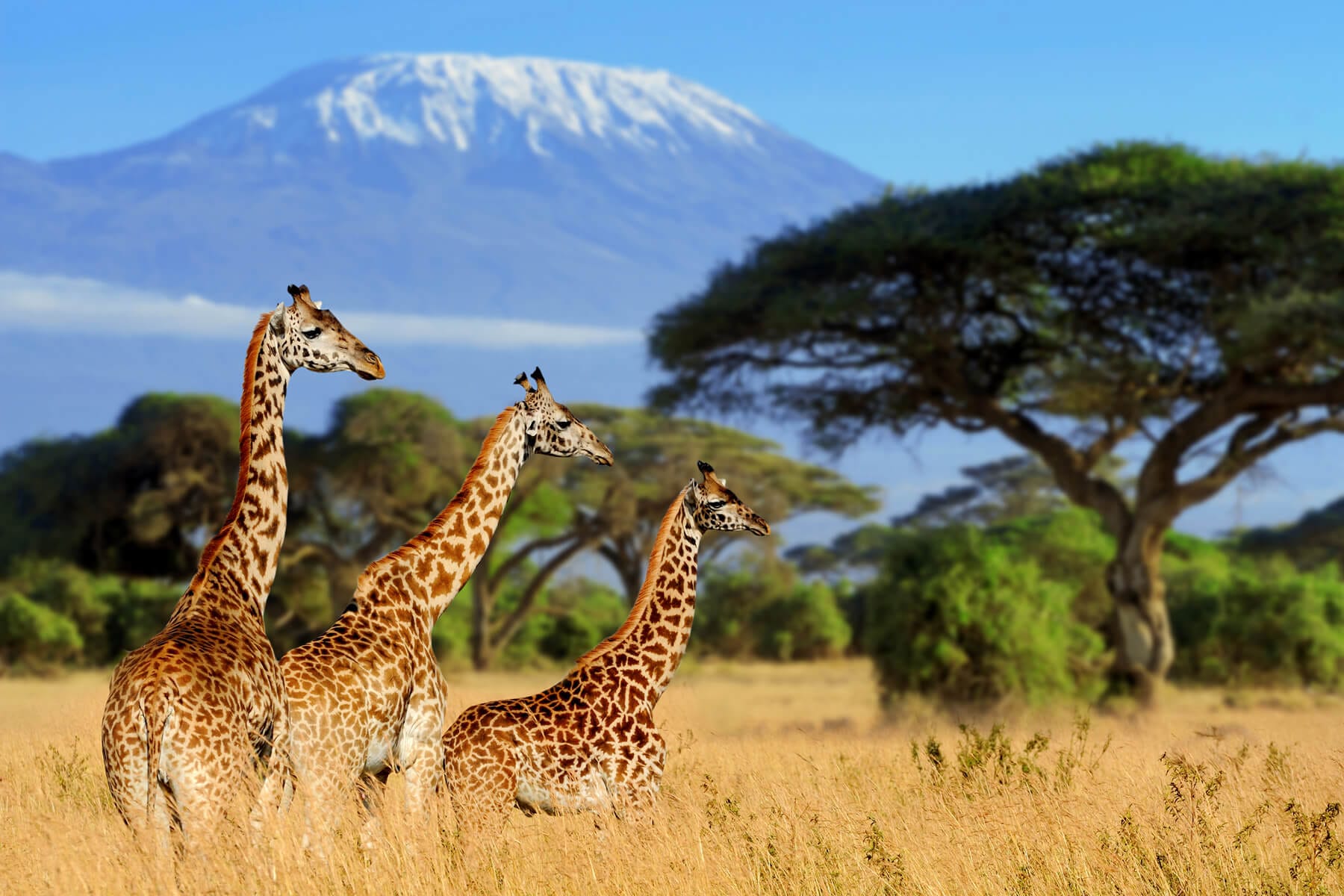
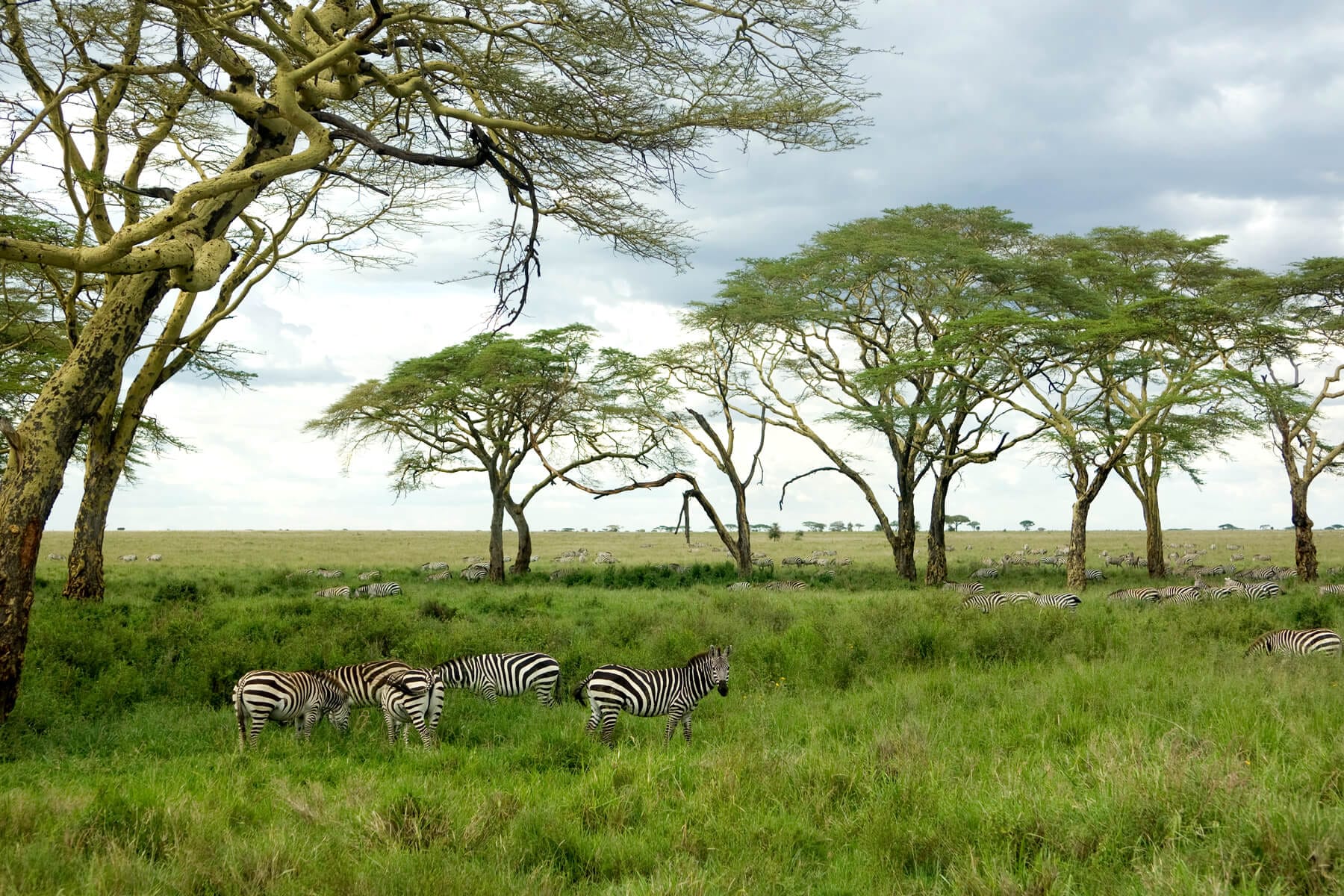
The landscapes represent the timeless image of safari travel. Endless plains dotted with acacia trees, golden light across open savannahs, and wildlife roaming freely create scenes that have inspired travelers and storytellers for generations.
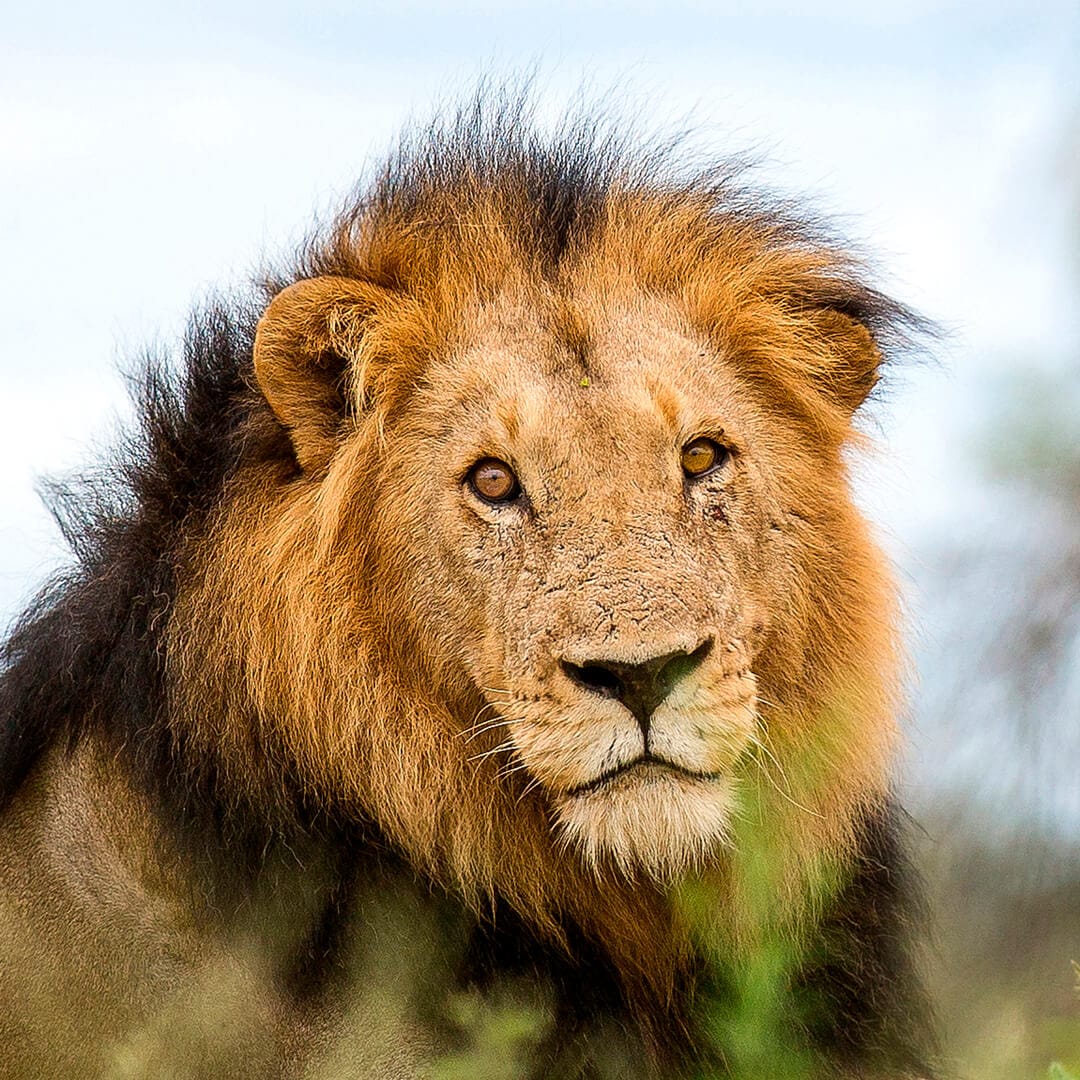
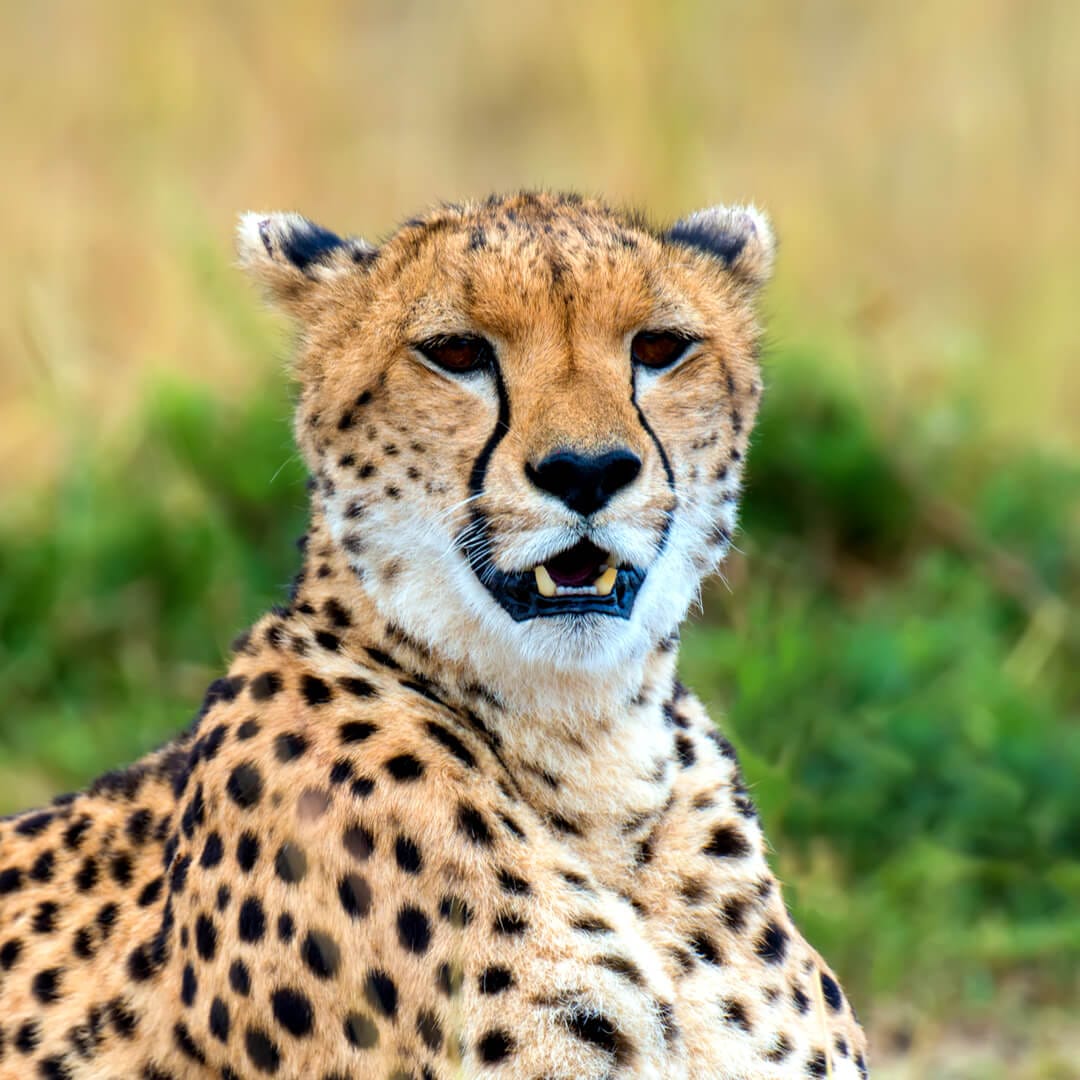
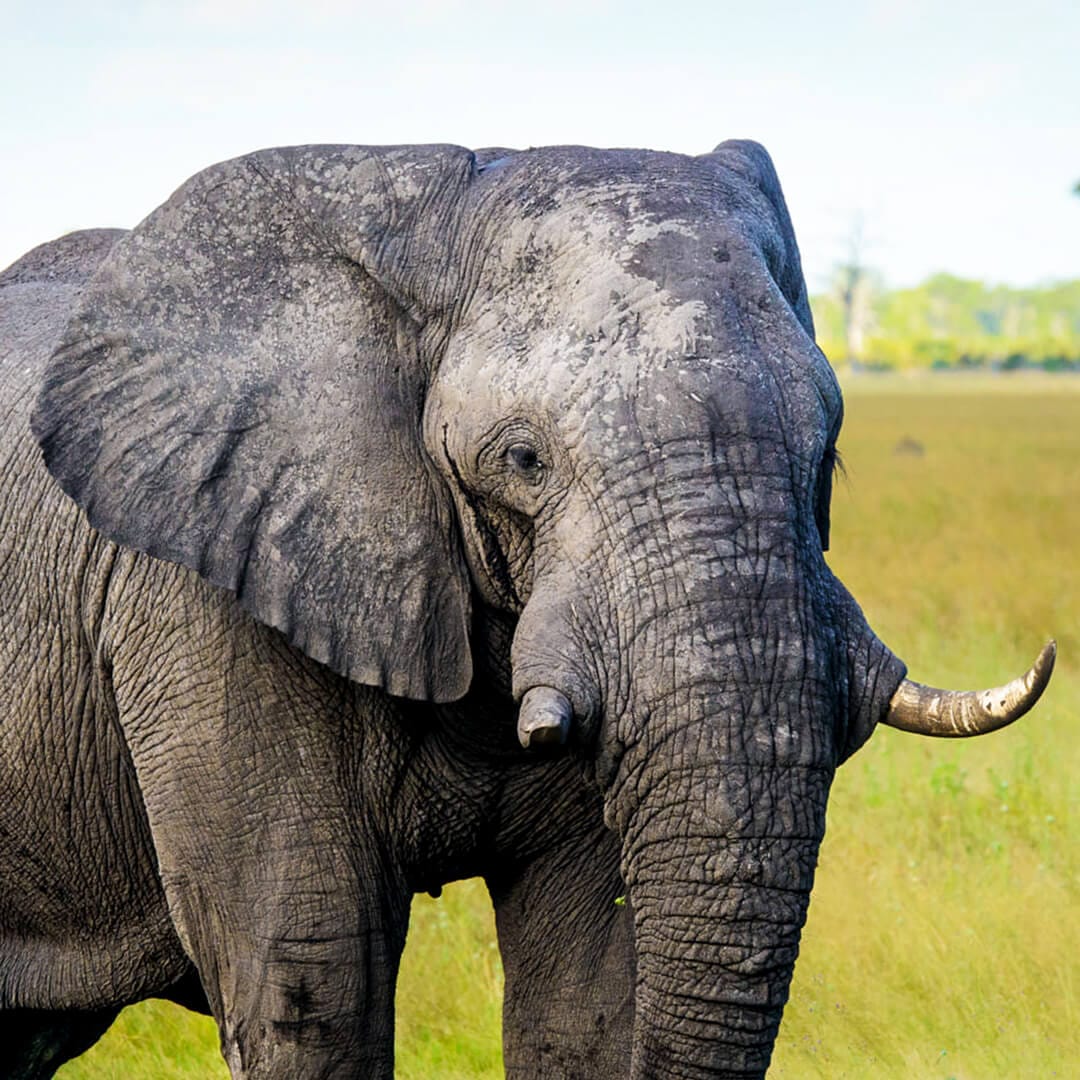
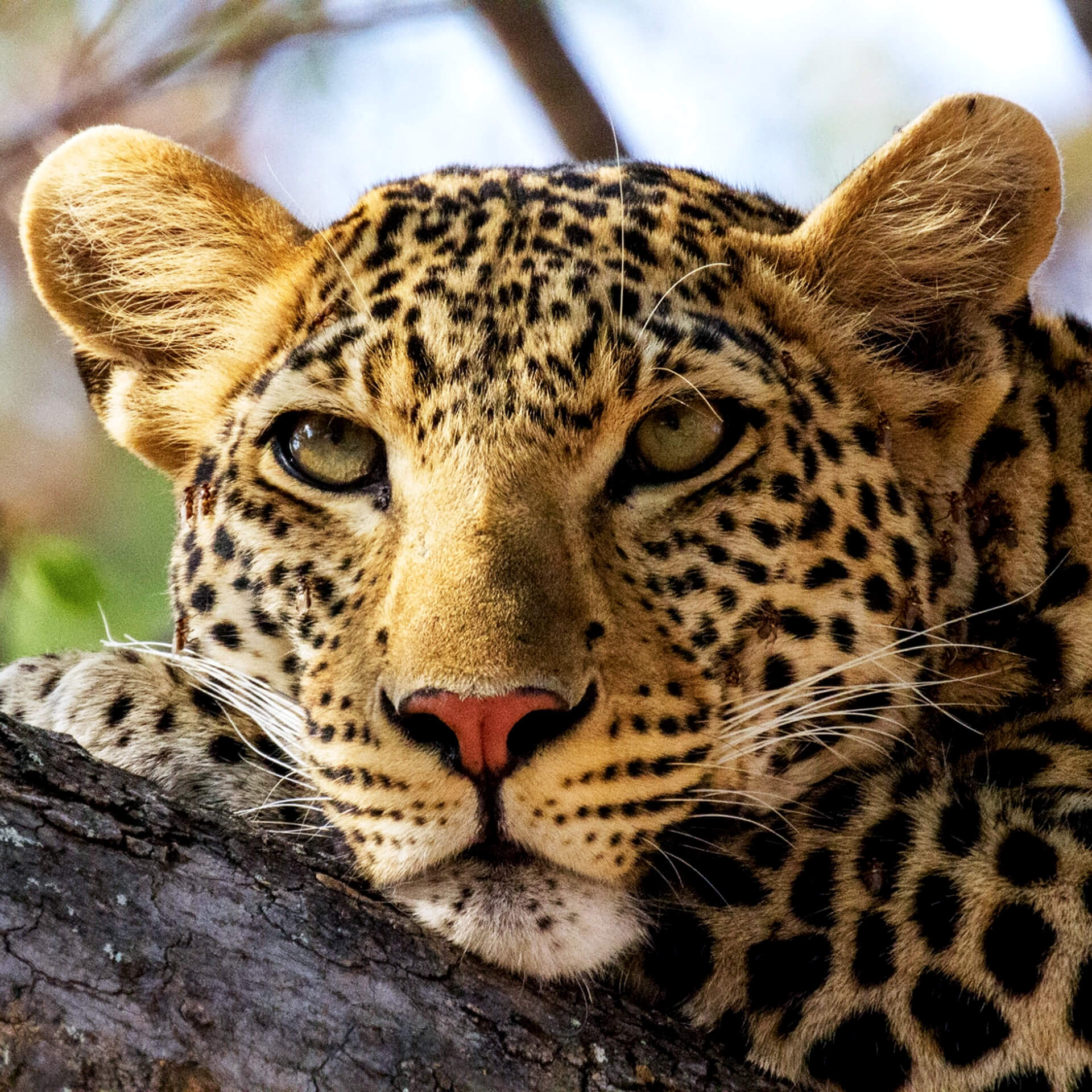
Kenya’s parks and reserves protect a remarkable variety of wildlife. Large predators roam the plains, elephants gather at watering holes, and diverse habitats support hundreds of bird species.
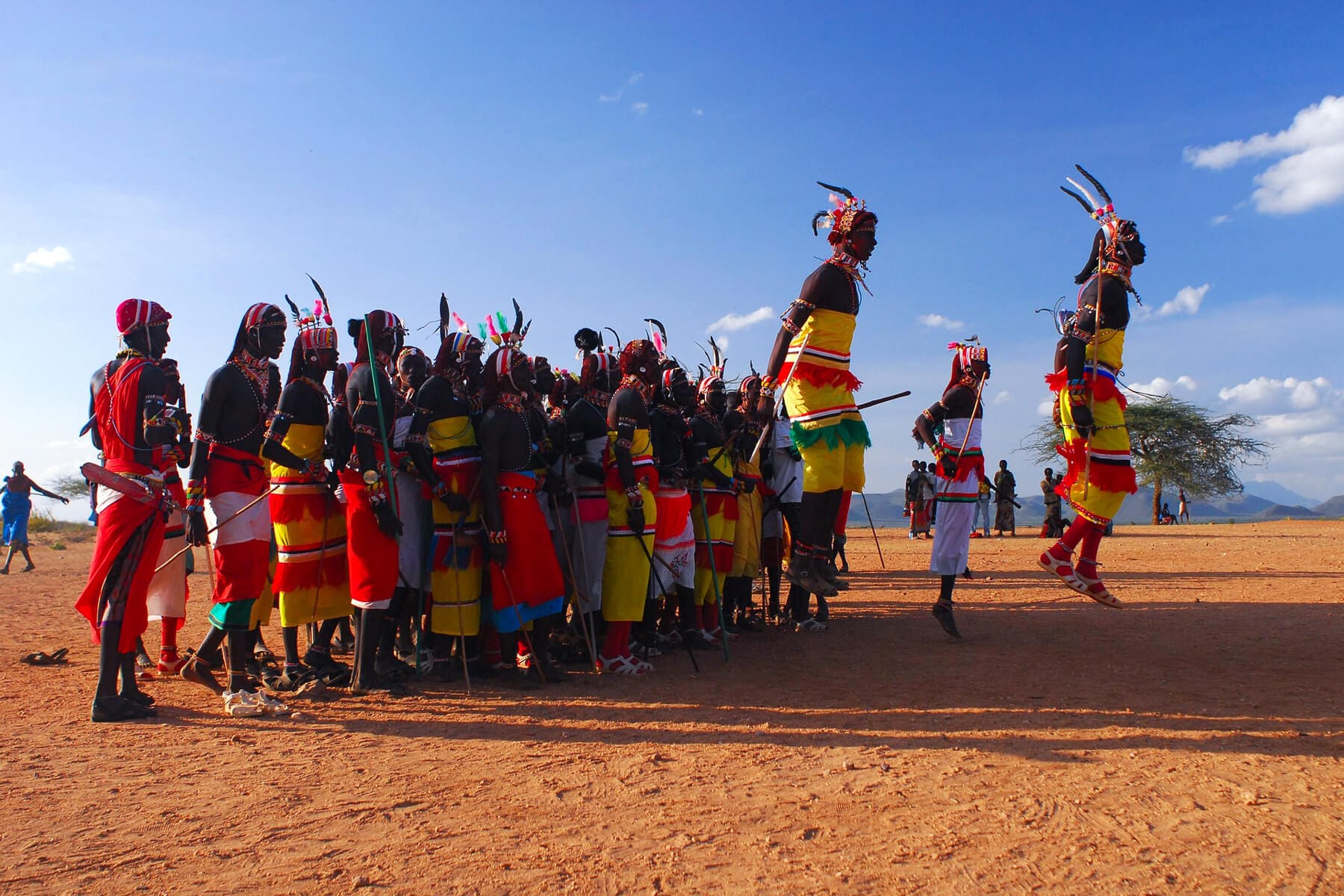
Cultural heritage remains deeply connected to the land. Communities such as the Maasai and Samburu continue traditions that have endured for centuries, offering meaningful opportunities for visitors to learn about their customs and way of life.


Samburu offers a distinct northern Kenya experience, shaped by arid landscapes, riverine forest, and rare wildlife species. The Ewaso Nyiro River attracts elephants, lions, leopards, and unique northern species, making Samburu visually and ecologically different from Kenya’s southern parks.
Most travelers are required to obtain an Electronic Travel Authorization (eTA) before arriving in Kenya. The application process is completed online and typically requires a passport copy, travel details, and a small processing fee. Approval is often granted within a few days, but it is recommended to apply at least a week before departure to allow sufficient time.
Travelers are generally advised to ensure routine vaccinations are up to date before visiting Kenya. Vaccines such as yellow fever, hepatitis A, typhoid, and tetanus may be recommended depending on your travel history and itinerary. Requirements can vary by country, so consulting a travel health clinic several weeks before departure is the best way to receive current medical advice.
Kenya has a long-established tourism industry and welcomes travelers from around the world each year. Most safari areas, national parks, and coastal destinations are considered safe for visitors, especially when traveling with experienced guides and reputable tour operators. As with travel anywhere, following local guidance and basic precautions helps ensure a smooth and enjoyable experience.
The official currency is the Kenyan Shilling (KES). Credit and debit cards are widely accepted at hotels, safari lodges, and many restaurants, while cash is often useful for smaller purchases, tips, and visits to local markets. ATMs are available in major towns and cities for withdrawing local currency when needed.
Kenya is home to many local languages and ethnic communities, reflecting its rich cultural diversity. English and Swahili are the official languages and are widely spoken throughout the country, particularly in cities, hotels, and tourism areas. Most guides and hospitality staff communicate fluently in English, making travel easy for international visitors.
Lightweight, breathable clothing in neutral colors such as khaki, beige, and green is ideal for safari activities. Travelers should also bring comfortable walking shoes, a hat, sunglasses, sunscreen, insect repellent, and a light jacket for cooler early morning and evening game drives. A good camera or binoculars can also enhance wildlife viewing experiences.
Safari accommodation in Kenya ranges from comfortable tented camps to luxury wilderness lodges set within spectacular landscapes. Many properties are designed to blend naturally into their surroundings while offering modern amenities, excellent service, and exceptional views of wildlife-rich environments.
Yes, Kenya can be a rewarding destination for families seeking a shared wildlife adventure. Many lodges welcome families and offer activities tailored for younger travelers, such as educational wildlife programs, guided nature walks, and cultural visits. Some camps may have minimum age requirements to ensure safety and comfort for all guests.
Kenya uses the British-style Type G plug, the same commonly used in the United Kingdom, with a standard voltage of 240V. Travelers from countries that use different plug types should bring a universal adapter. Many safari lodges also provide charging stations for cameras, phones, and other small electronics.