
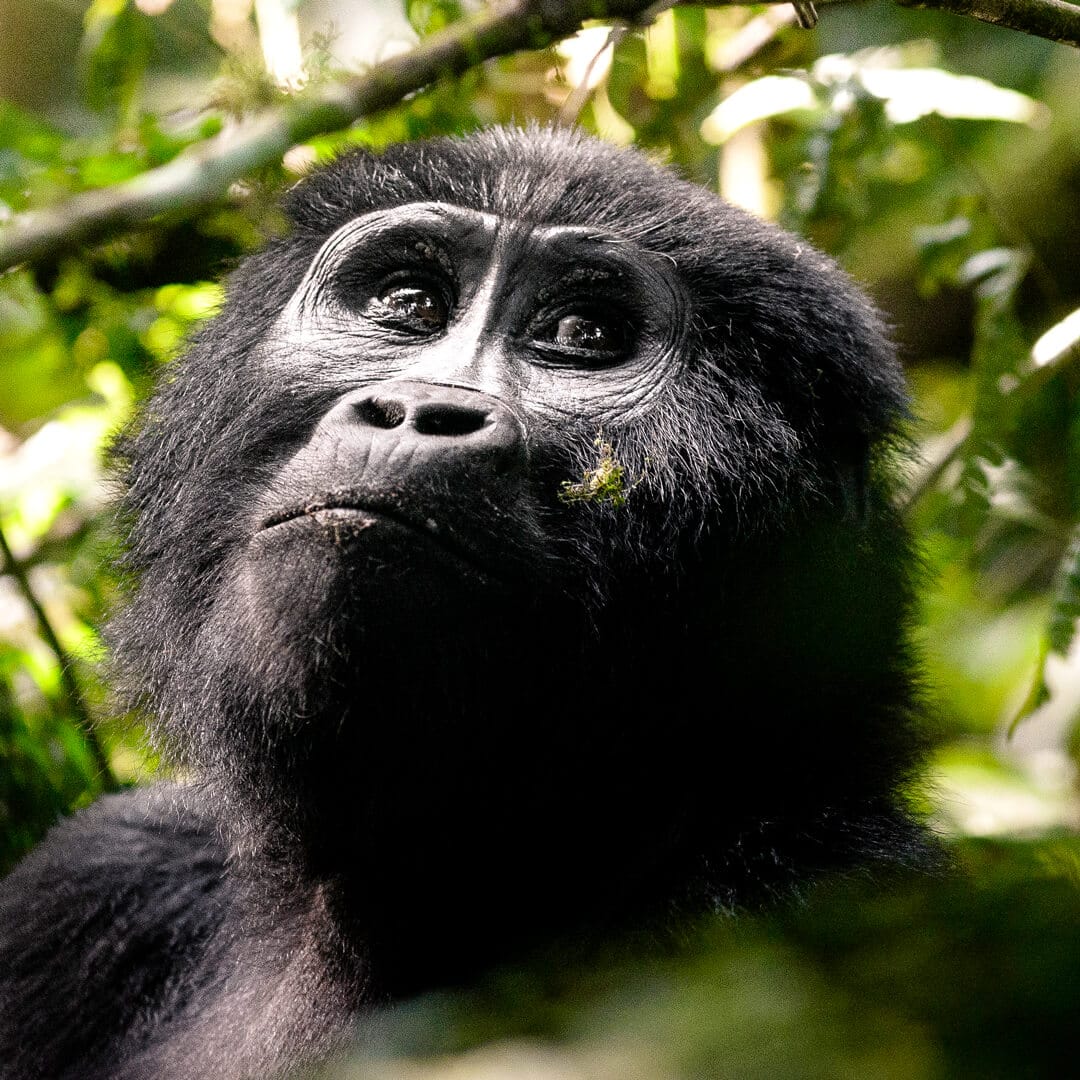
Bwindi Impenetrable National Park and Mgahinga Gorilla National Park protect a significant portion of the world’s remaining mountain gorillas. Trekking through mist-covered rainforest to observe a gorilla family in its natural habitat is widely regarded as one of the most profound wildlife experiences on earth, offering rare moments of connection with these remarkable primates.
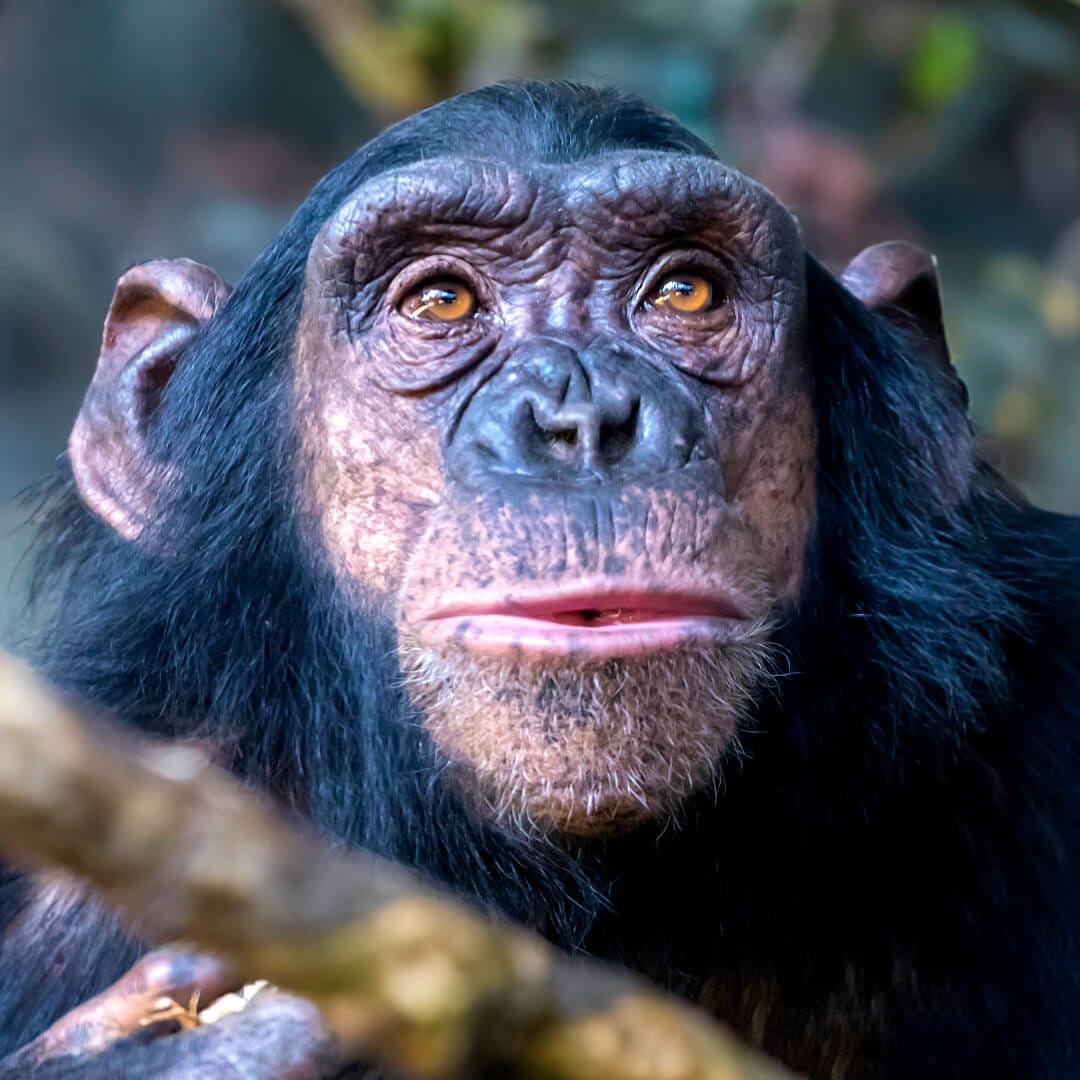
Uganda hosts an extraordinary diversity of primates, including chimpanzees, golden monkeys, red colobus monkeys, and several rare forest species. Kibale Forest National Park is particularly renowned for chimpanzee tracking, where guided treks through lush forest provide remarkable opportunities to observe these intelligent primates in their natural environment.
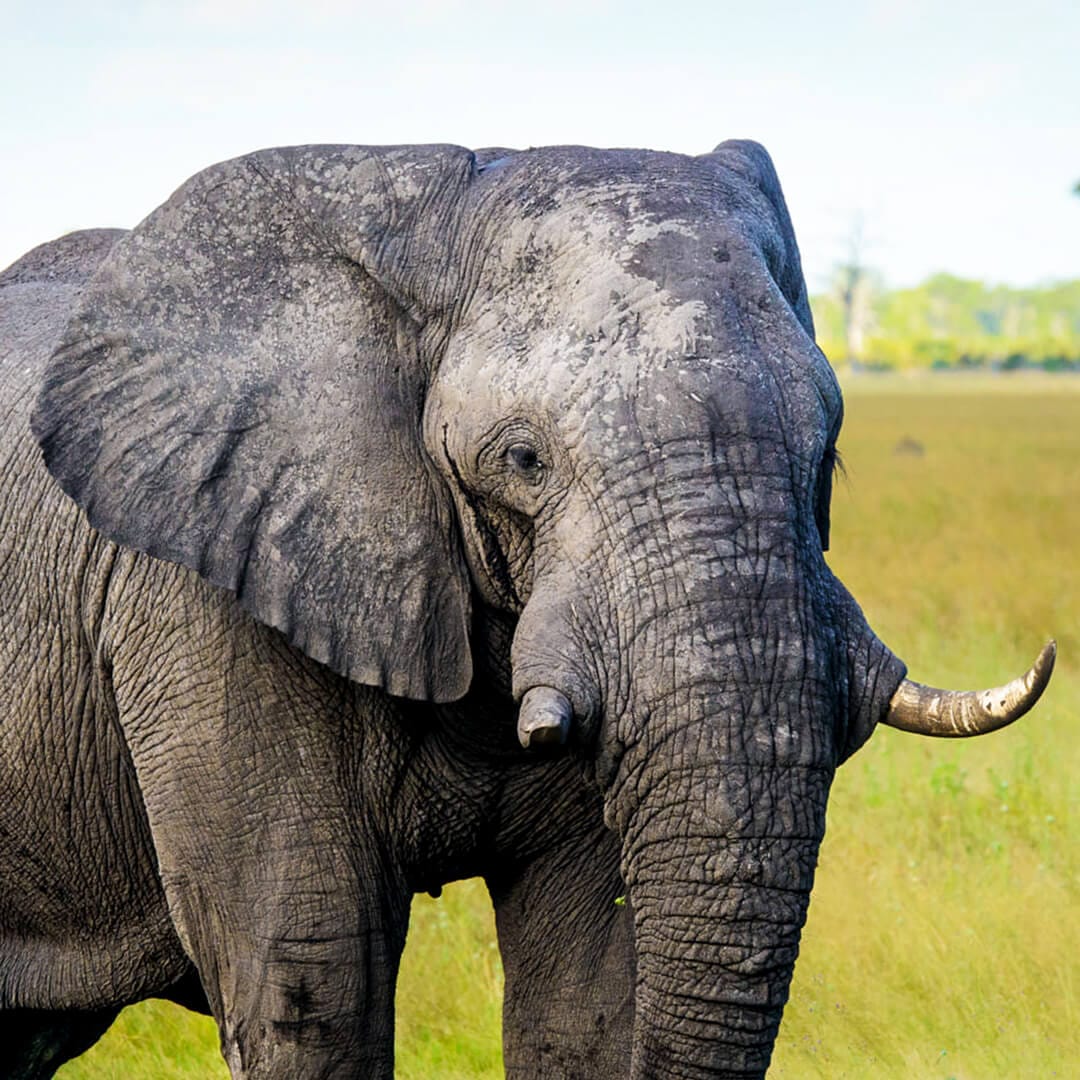
Few destinations in Africa offer such ecological variety within a single country. Uganda’s landscapes range from dense rainforest and crater lakes to expansive savannah plains, mountain ranges, and powerful river systems, creating remarkable scenery and a wide range of safari experiences across its national parks.
With more than 1,000 recorded species, Uganda ranks among Africa’s finest birdwatching destinations. Wetlands, forests, and savannah ecosystems support remarkable avian diversity, including the rare shoebill, colorful turacos, and numerous Albertine Rift endemics found within the country’s protected landscapes.
Uganda is home to vibrant cultures shaped by diverse traditions and deep connections to the land. Encounters with local communities reveal music, storytelling, craftsmanship, and daily life that reflect the country’s heritage, offering meaningful insight into the people who share these remarkable landscapes.
Uganda can be visited year-round, though the dry seasons from June to September and December to February are generally the best for wildlife viewing and gorilla trekking. During these months, forest trails are easier to navigate and wildlife gathers around water sources, creating excellent safari conditions.
Mountain gorillas can be seen in Bwindi Impenetrable National Park and Mgahinga Gorilla National Park in southwestern Uganda. Bwindi is the most visited location, home to several habituated gorilla families that visitors can trek to with experienced guides and park rangers.
Gorilla trekking involves hiking through rainforest terrain that can vary in difficulty depending on the gorillas’ location that day. Treks typically last between one and four hours. A moderate level of fitness is helpful, and porters are available to assist along the way.
Visitors observe mountain gorillas from a distance of approximately seven meters. Rangers carefully manage interactions to ensure the safety of both visitors and the gorillas while allowing guests to enjoy a remarkable and respectful wildlife encounter.
Most travelers spend between six and ten days exploring Uganda. This allows time for gorilla trekking, chimpanzee tracking, wildlife safaris in savannah parks, and scenic exploration of the country’s forests, lakes, and rivers.
Yes, gorilla trekking permits are required and must be secured in advance through the Uganda Wildlife Authority. Permits allow visitors to spend one hour with a habituated gorilla family and include the services of guides and trackers.
Uganda is often combined with Rwanda, Kenya, or Tanzania to create a broader East African safari experience. Many travelers combine gorilla trekking with classic wildlife safaris in the Serengeti or Maasai Mara.
Recommended items include sturdy hiking boots, long trousers, lightweight long-sleeved shirts, a waterproof jacket, insect repellent, sunscreen, and a small backpack for trekking days. Neutral-colored clothing is best for wildlife viewing.
Uganda is considered one of Africa’s finest birding destinations, with more than 1,000 recorded species. Forest parks, wetlands, and savannah ecosystems create exceptional opportunities to observe rare and endemic birds.