

UGANDA
Semuliki
A lowland tropical forest along Uganda’s western border, Semuliki forms part of the greater Congo Basin ecosystem. The area supports species more commonly associated with Central Africa, with vegetation and wildlife shaped by a warmer, more humid climate. Its position within the Albertine Rift creates a distinct ecological zone where forest conditions differ noticeably from those found in Uganda’s higher altitude parks.
This forest offers access to species rarely encountered elsewhere in Uganda, with several reaching the eastern limit of their range. Guided walks follow narrow trails beneath dense cover, where movement is often subtle and shaped by sound rather than sight. The experience is quieter and more deliberate, focused on careful observation and brief encounters that reveal a distinct set of forest-dwelling species.
Iconic Wildlife
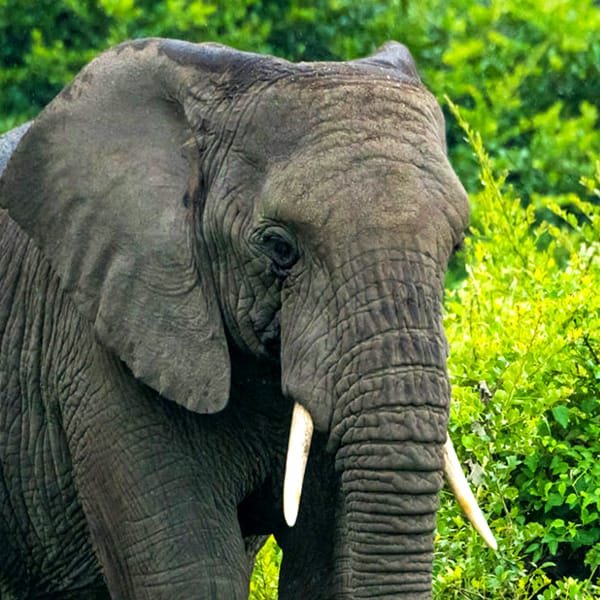
forest elephants
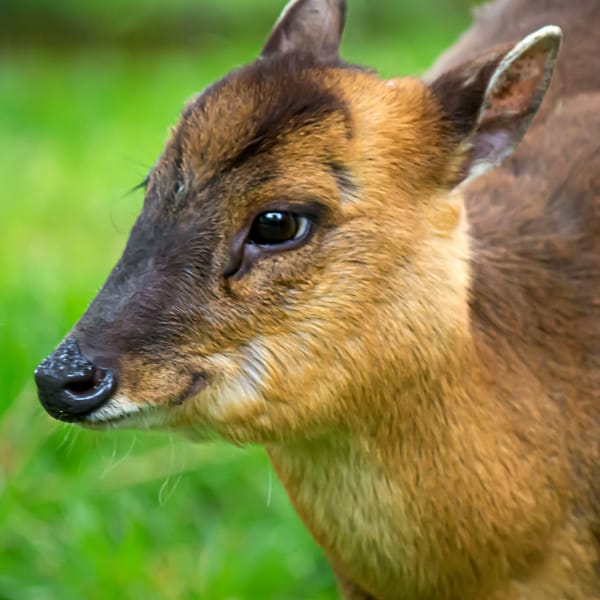
pygmy antelopes
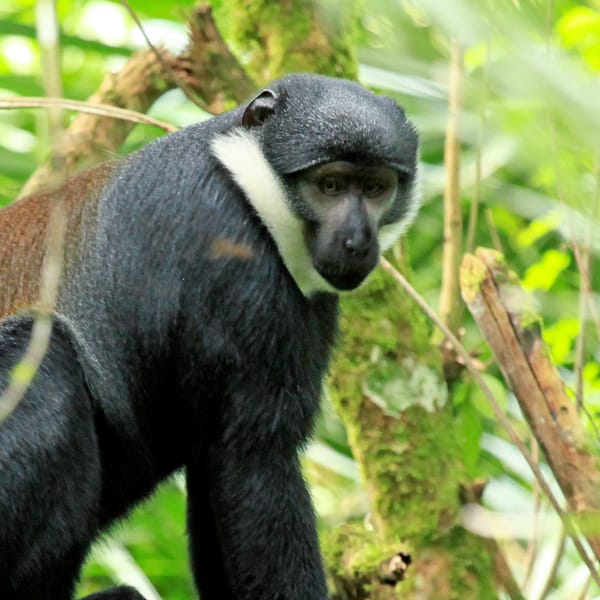
central african red colobus

de brazza's monkey
Park Highlights
Sempaya Hotsprings
Visit the springs where water emerges from the ground in two distinct sites. You follow raised paths to viewing points where steam rises continuously from the springs. The area’s heat and mineral deposits create a striking contrast with the surrounding vegetation.
Forest Walks
Guided walks lead through sections of lowland forest, following narrow trails beneath thick cover. You move at a steady pace as rangers interpret tracks, calls, and plant life along the way. The experience focuses on close observation, with attention drawn to subtle movement and changes within the forest environment.
Nature Walks
Nature walks explore different sections of the forest, guided by rangers familiar with the area’s ecology. You follow established routes that reveal plant species, insects, and smaller wildlife. The pace allows for detailed observation, with each section offering a different view of the forest’s structure.
Birdwatching
Birdwatching in the forest focuses on species associated with Central African habitats. You move along shaded trails, listening for calls and watching for movement within dense foliage. Sightings are often brief, with species appearing in openings or shifting quickly between branches.
Cultural Visits
Visits to nearby communities provide insight into local traditions connected to the forest environment. You observe daily practices and learn about the relationship between people and the surrounding natural resources. The experience adds context to the area beyond its ecological significance.