
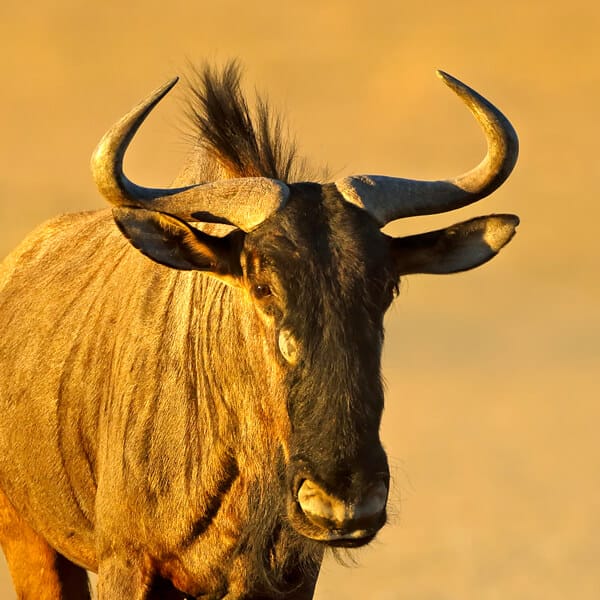
Tanzania is home to the Serengeti, the stage for one of the planet’s most remarkable natural events. Vast herds of wildebeest and zebra move across the plains in search of fresh grazing, followed by predators and shaped by the rhythm of the seasons. Every moment feels alive with movement, tension, and scale.
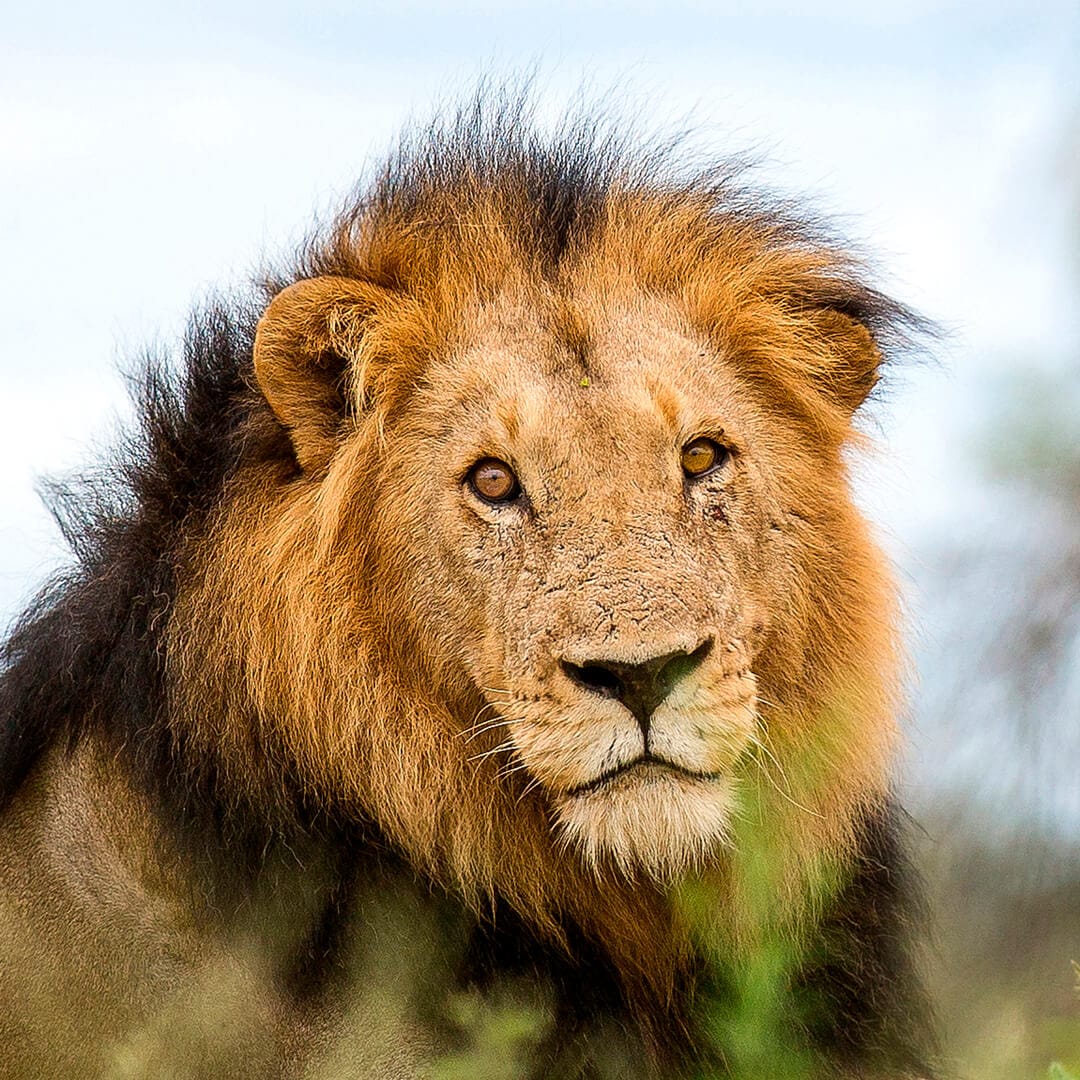
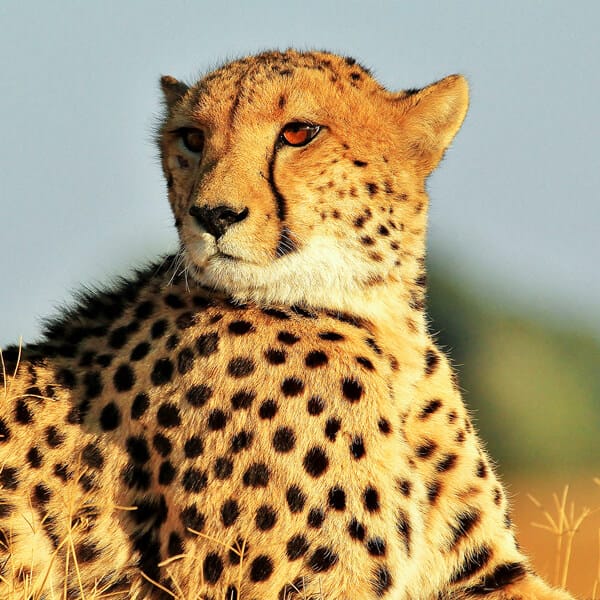
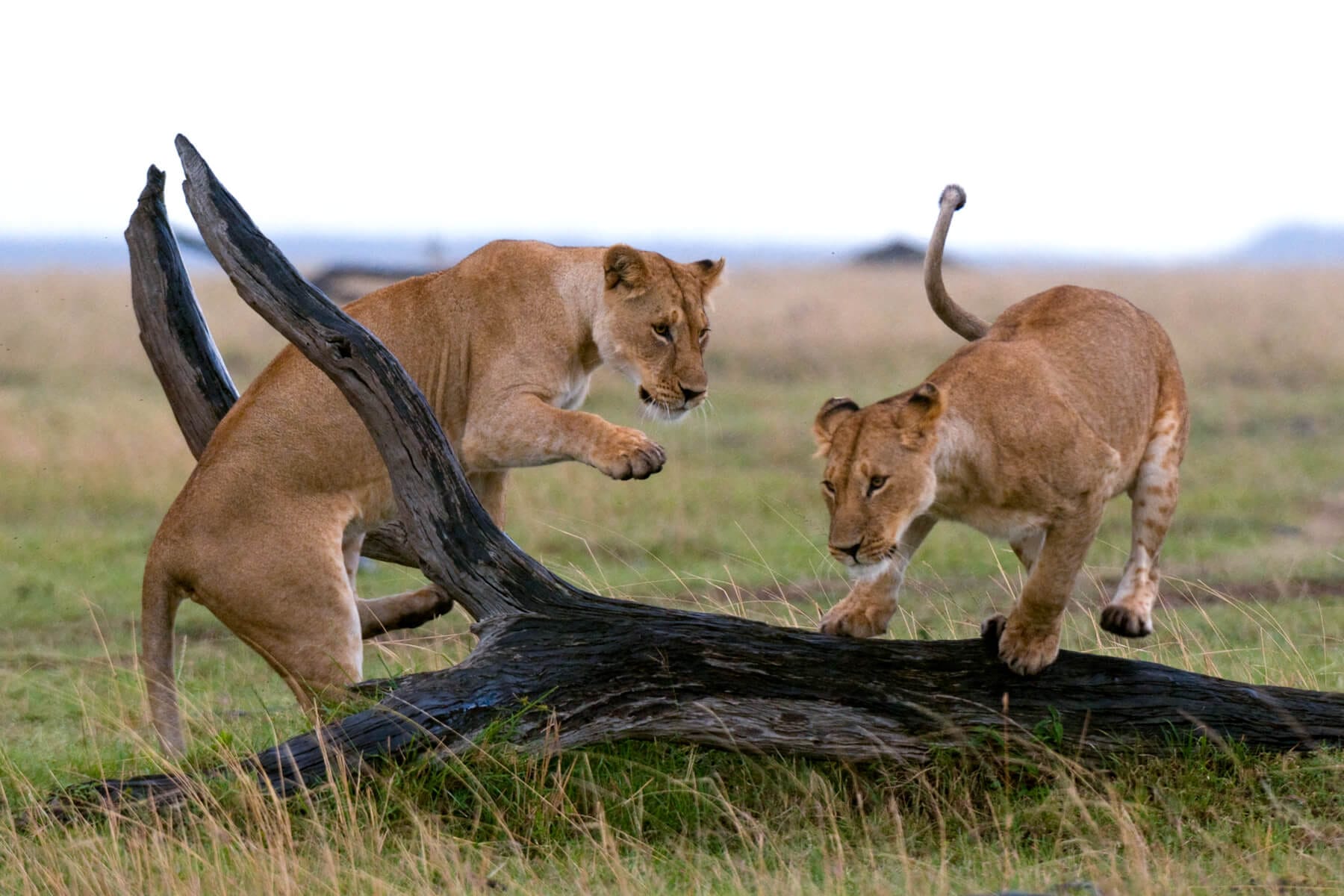
Few safari destinations offer such extraordinary predator viewing. Lions, leopards, and cheetahs thrive across Tanzania’s savannah ecosystems, especially in the Serengeti and Ngorongoro region. Game drives often reveal dramatic scenes of hunting, resting, territorial behavior, and the quiet patience that defines life among Africa’s great cats.
Tanzania’s beauty lies in its range. Open plains, volcanic craters, baobab woodlands, river valleys, lakes, mountains, and coastal islands create a journey of striking contrast. Travelers can move between iconic safari country and remote wilderness without losing the sense of grandeur that defines the destination.
Beyond the famous northern circuit, Tanzania offers some of Africa’s most rewarding remote safari areas. Ruaha, Nyerere, and Katavi provide quieter, wilder experiences with fewer vehicles, exceptional guiding, and a powerful sense of space. These regions are ideal for travelers seeking a deeper, less conventional safari.
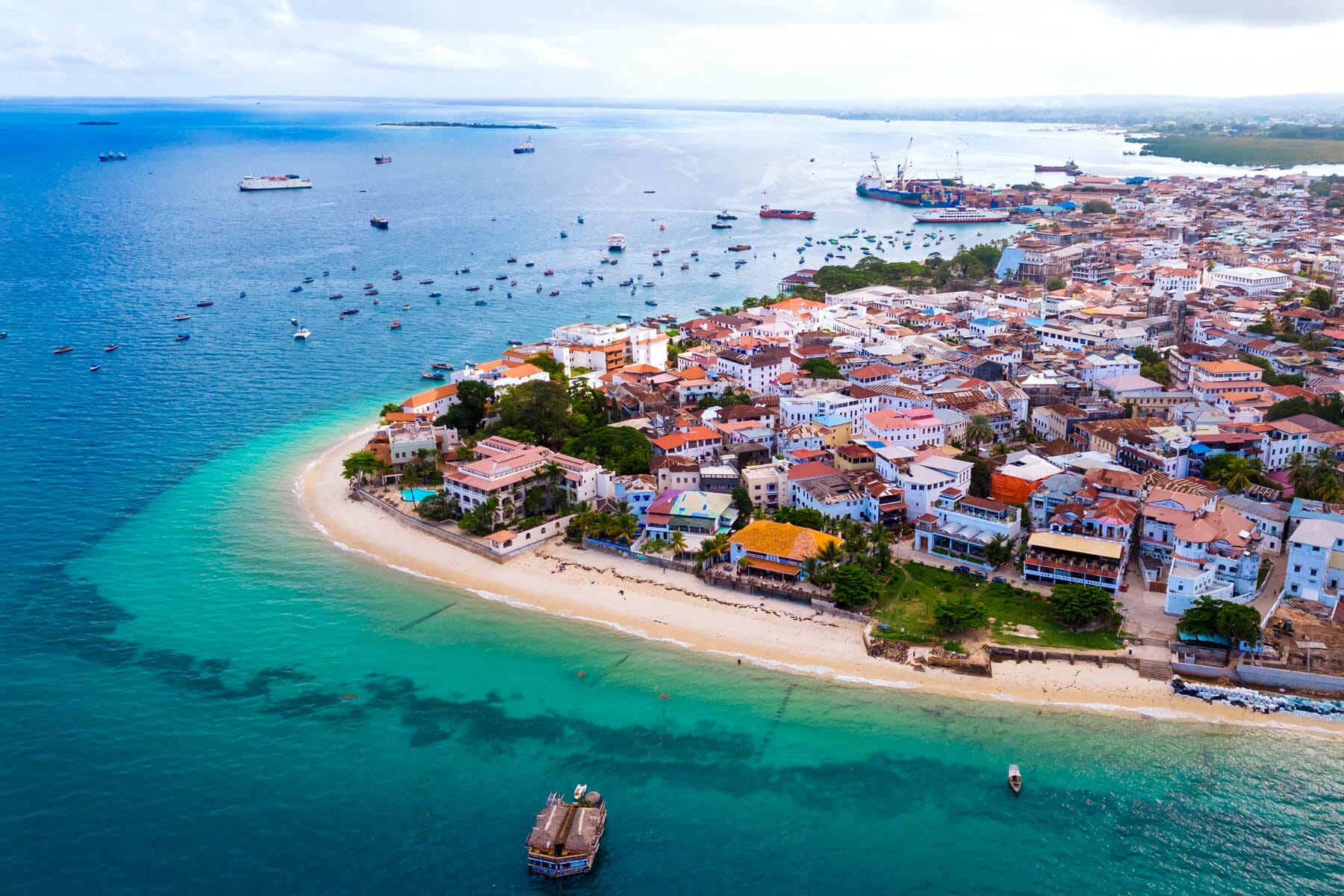
Tanzania’s safari experience extends beautifully to the Indian Ocean. Zanzibar and the coastal islands offer white-sand beaches, spice markets, dhow sailing, historic Stone Town, and Swahili culture shaped by centuries of trade, sea travel, and tradition. It is a graceful complement to the drama of the wilderness.


The Serengeti is one of the world’s most iconic safari landscapes. Its vast plains, seasonal migration routes, predator-rich ecosystems, and endless horizons create a safari experience of extraordinary scale. Every season offers something different, from calving herds in the south to river crossings in the north and exceptional big cat encounters throughout the year.
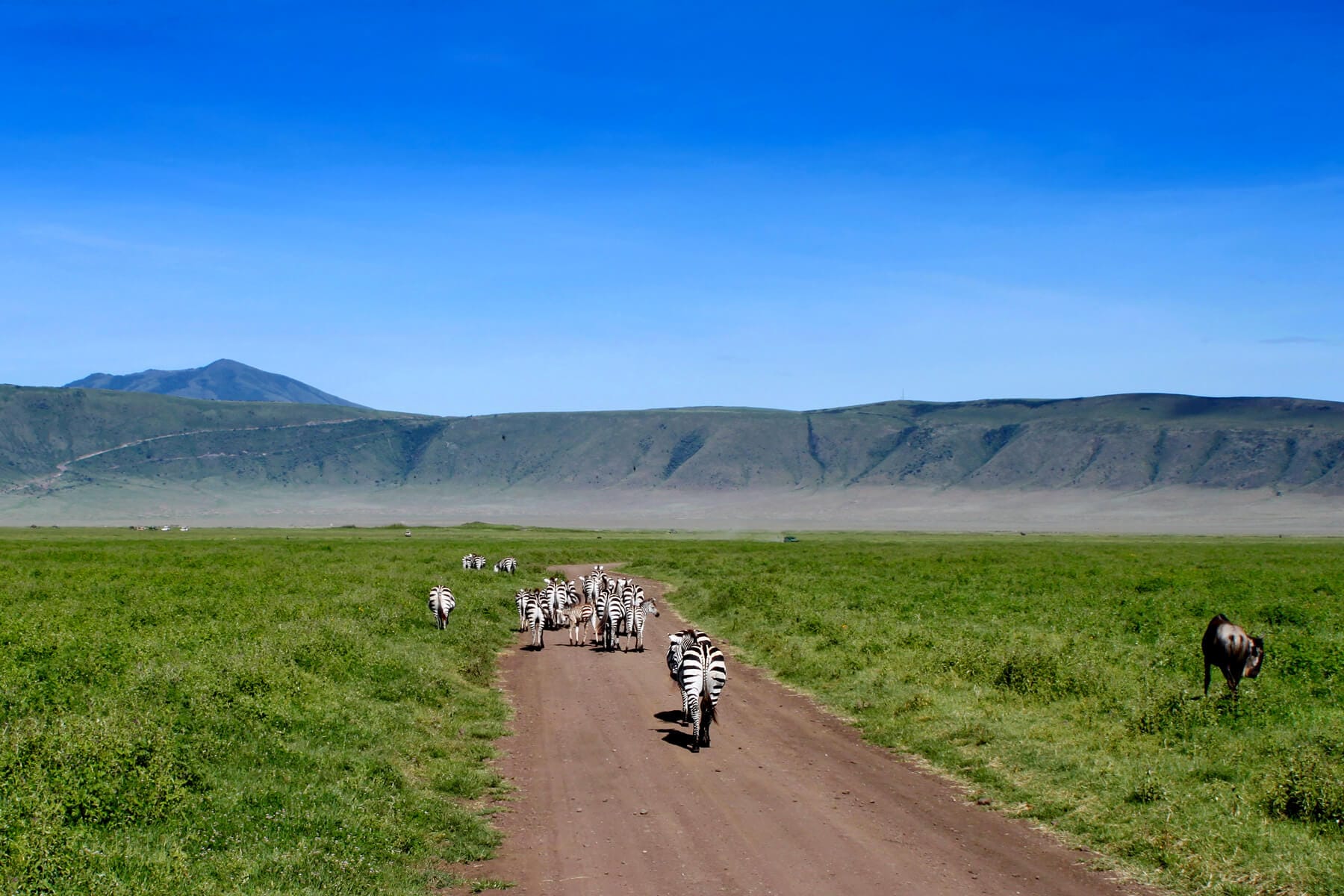
Ngorongoro Crater is a natural amphitheater of remarkable beauty and wildlife density. The crater floor supports lions, elephants, buffalo, hyenas, flamingos, and, with luck, black rhinos. Surrounded by steep volcanic walls, the landscape feels both dramatic and contained, offering one of East Africa’s most memorable game-viewing experiences.
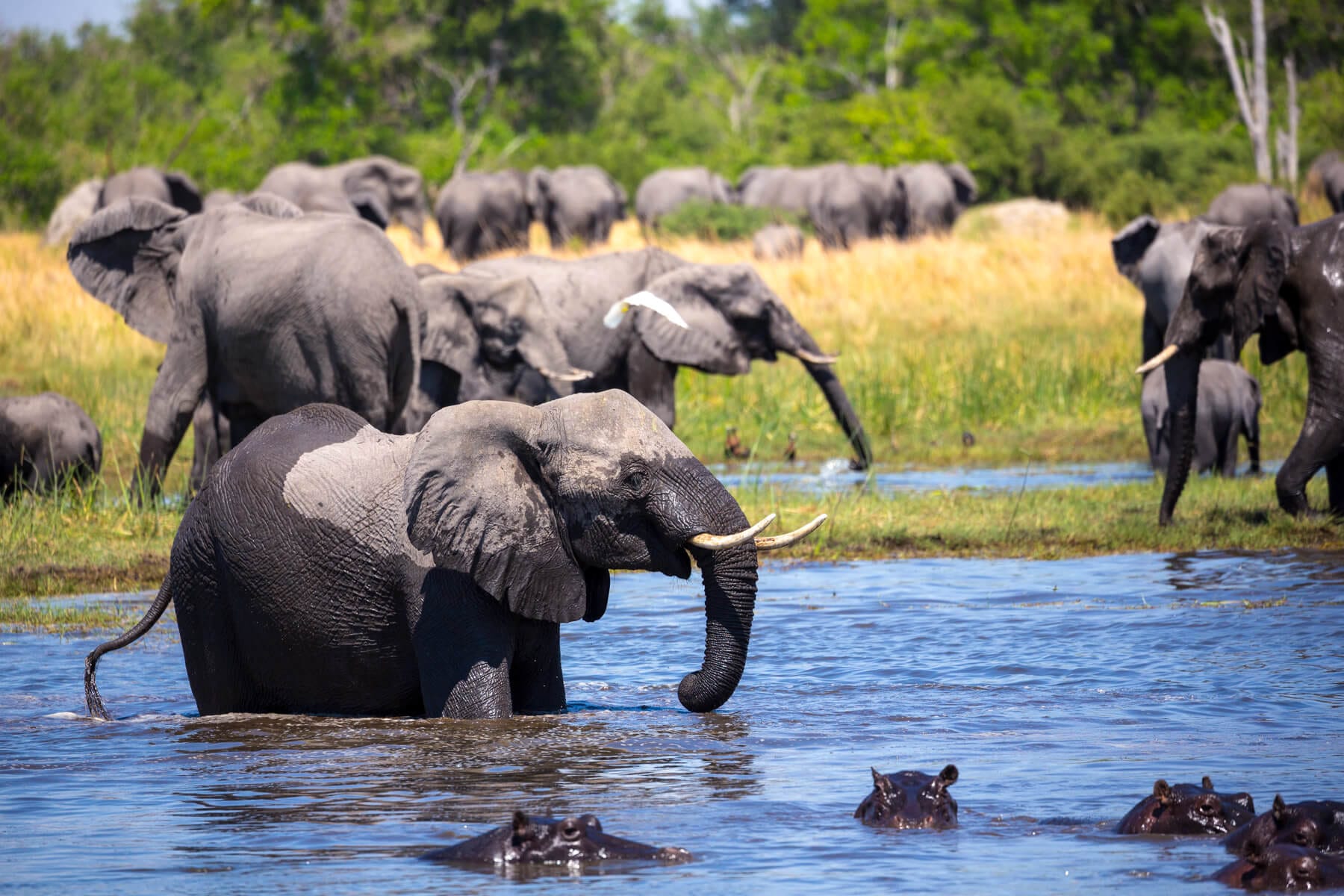
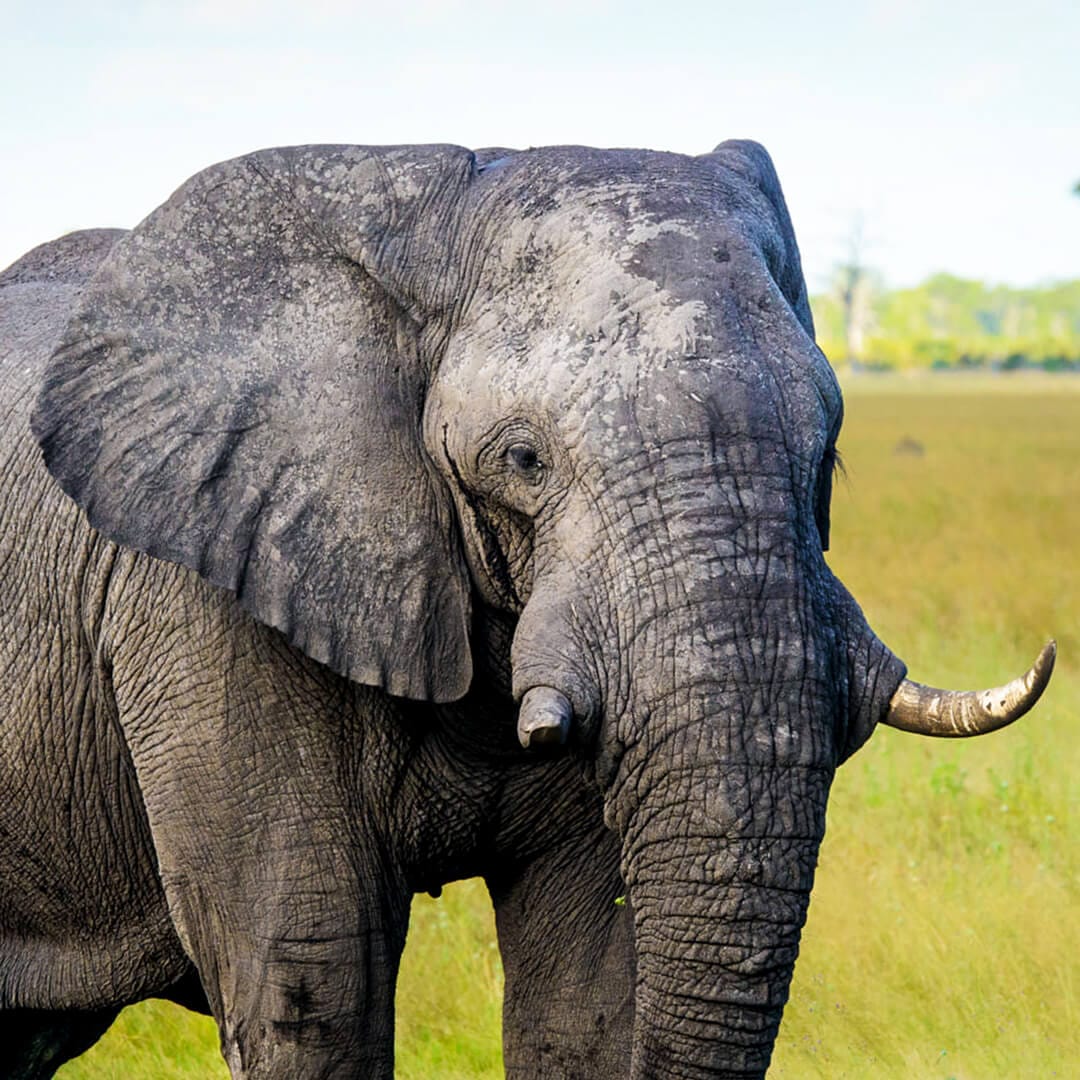
Tarangire is known for its large elephant herds, ancient baobab trees, and seasonal wildlife concentrations along the Tarangire River. The park has a quieter, more atmospheric character than Tanzania’s more famous reserves, with beautiful woodland, open grassland, and rich birdlife.
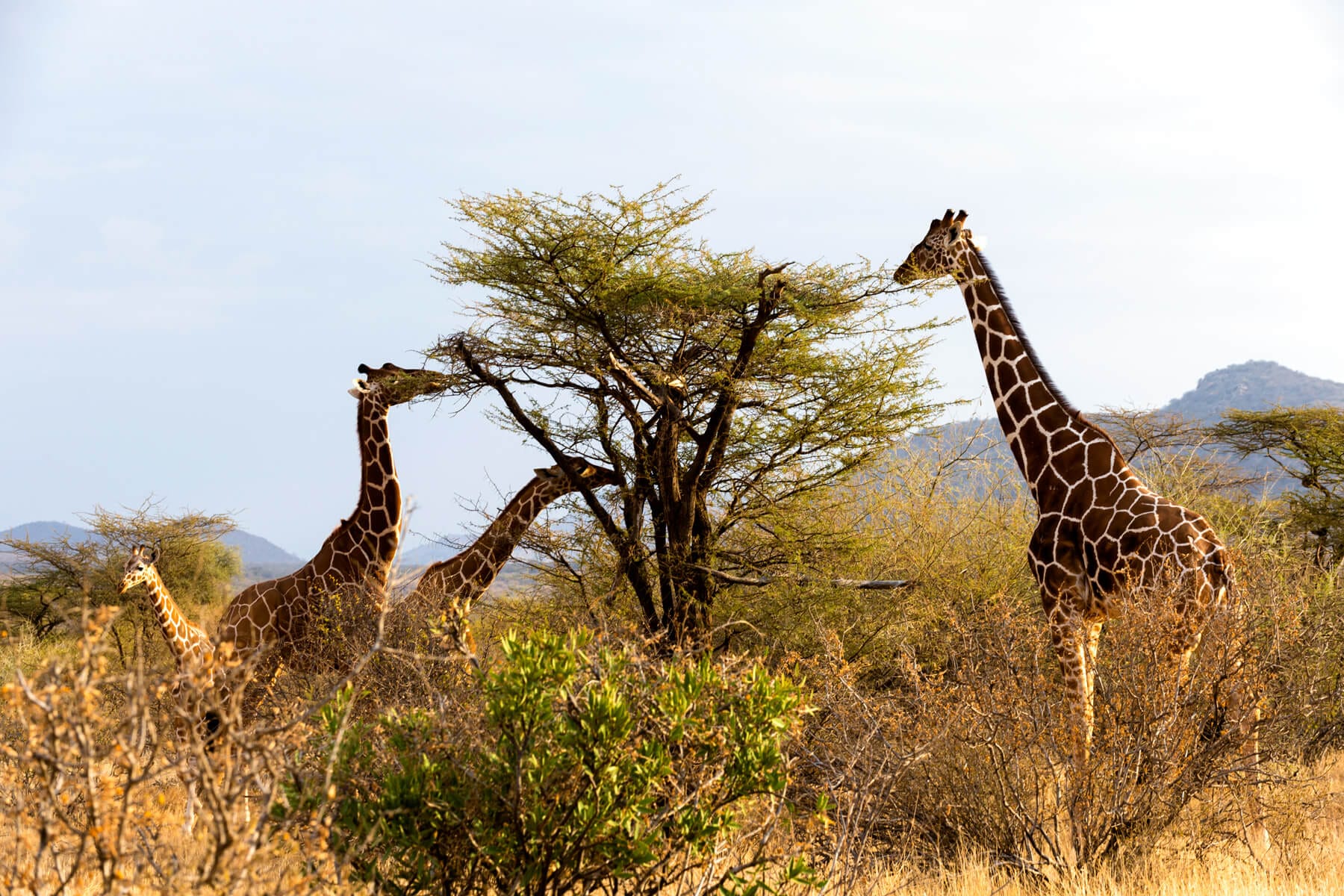
Ruaha is Tanzania’s wild, remote heart. Its rugged landscapes, baobab valleys, river systems, and exceptional predator populations create a safari experience that feels raw and deeply authentic. It is especially rewarding for travelers seeking fewer crowds, strong guiding, and a powerful sense of wilderness.
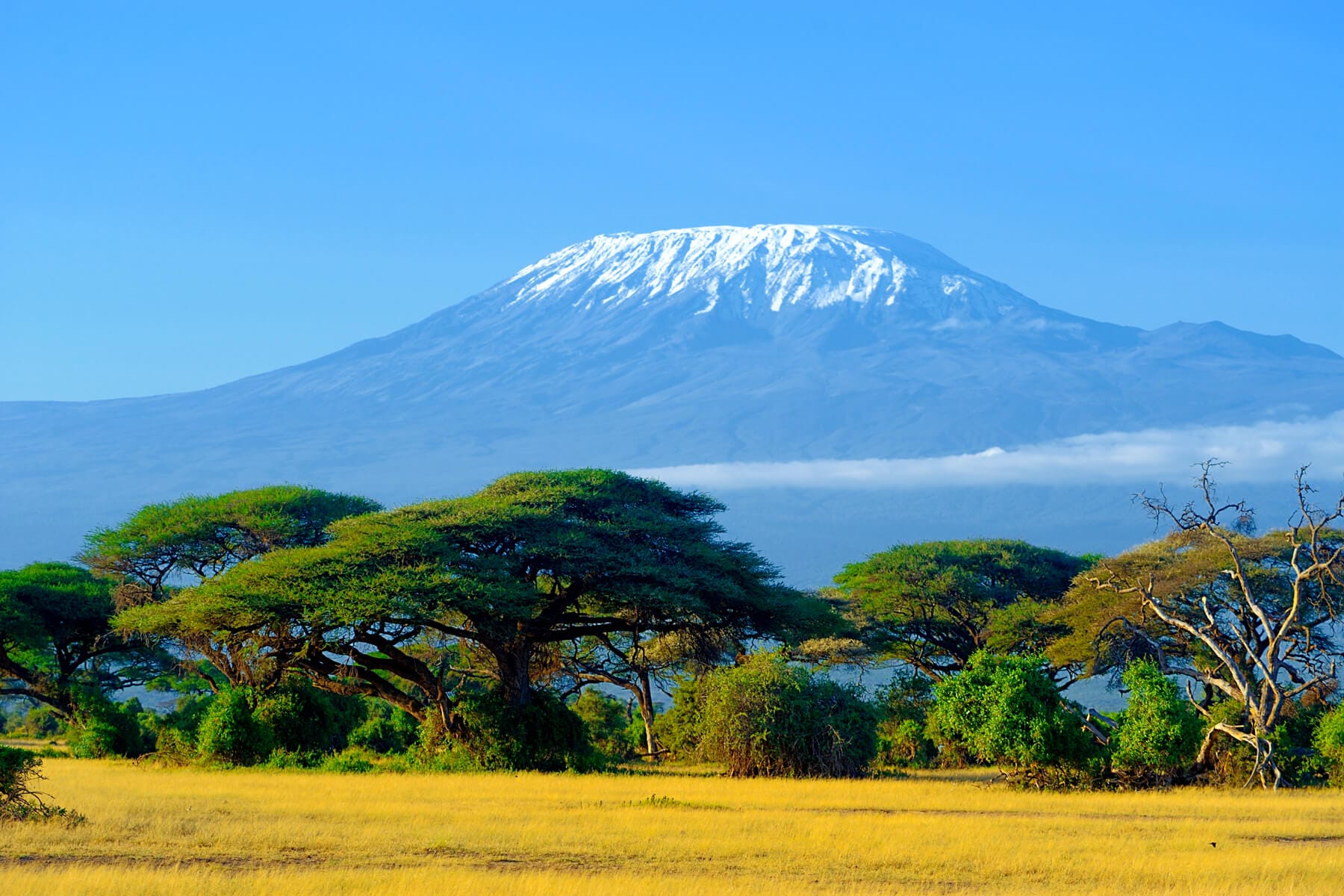
Tanzania is excellent year-round, though the best time depends on your preferred experience. June to October is ideal for dry-season game viewing, while January to March is rewarding for the southern Serengeti calving season. July to October often brings migration river crossings in the northern Serengeti. The green season offers lush scenery, fewer visitors, excellent birdlife, and beautiful photographic conditions.
The Great Migration is most famously experienced in the Serengeti. The herds move seasonally through different parts of the ecosystem, with calving often taking place in the southern plains early in the year and river crossings occurring in the north during parts of the dry season. A well-planned itinerary follows the movement of the herds according to the time of travel.
Yes. Tanzania is one of the finest destinations for a first safari because it offers iconic landscapes, abundant wildlife, excellent lodges, and a wide range of safari styles. The northern circuit, including Serengeti, Ngorongoro, Tarangire, and Lake Manyara, provides a beautifully rounded introduction to East Africa’s wildlife and scenery.
Yes. Tanzania pairs beautifully with Zanzibar. Many travelers begin with a safari in the Serengeti, Ngorongoro, Tarangire, or southern parks, then continue to the coast for rest, ocean views, Swahili culture, and beach time. This combination creates a balanced journey between wilderness and relaxation.
Yes. Tanzania has some of Africa’s most exceptional safari lodges and camps, ranging from private concession properties to elegant tented camps and high-end coastal retreats. Luxury here is defined by location, guiding, privacy, thoughtful design, and the ability to experience remarkable wilderness without sacrificing comfort.
Northern Tanzania is home to the Serengeti, Ngorongoro Crater, Tarangire, and Lake Manyara, making it ideal for iconic first-time safari experiences. Southern Tanzania, including Ruaha and Nyerere, feels more remote and less crowded, with excellent guiding, diverse activities, and a stronger sense of untouched wilderness.
Pack lightweight neutral clothing, comfortable walking shoes, sun protection, insect repellent, binoculars, a camera, and a warm layer for early mornings and evenings. For Zanzibar, add relaxed beachwear. For Kilimanjaro or walking safaris, more specialized gear may be required depending on the route and activity.