

LAND OF ATHOUSAND HILLS
Rwanda
Rwanda delivers a safari experience of remarkable intimacy. Its beauty unfolds not across vast, endless plains, but in layered, close-up wonders — green hills rising into volcanic mountains, bamboo forests softened by mist, quiet lakes, and protected savannahs where wildlife thrives through one of Africa’s most inspiring conservation stories.
The country’s most iconic experience lies in Volcanoes National Park, where travelers enter cool mountain forest in search of mountain gorillas. The encounter is deeply personal: a rare hour spent in the presence of a gorilla family, watching gestures, expressions, and bonds that feel astonishingly familiar. Further east, Akagera National Park brings a different rhythm, with open plains, wetlands, lakes, and the return of lions and rhinos to Rwanda’s protected wilderness.
Why Travel to Rwanda
Mountain Gorilla Thrills
Volcanoes National Park offers one of the world’s most celebrated gorilla trekking experiences. Guided walks through bamboo forest and volcanic terrain lead to rare encounters with mountain gorillas, allowing travelers to witness their intelligence, tenderness, and family life within a landscape shaped by mist, altitude, and careful protection.
Big Five Safari
Akagera National Park offers Rwanda’s classic savannah safari. Game drives move through plains, woodland, lakes, and wetlands in search of lions, rhinos, elephants, buffalo, giraffes, zebras, antelope, and rich birdlife. The park’s restored wilderness makes it one of East Africa’s most inspiring conservation landscapes.
Chimpanzee Tracking
In Nyungwe Forest, chimpanzee tracking begins early, as guides follow the distant calls of troops moving through the canopy. The experience is active, atmospheric, and deeply rewarding, revealing the intelligence and energy of these remarkable primates within one of Africa’s oldest rainforests.
Golden Monkey Tracking
Golden monkey tracking offers a lighter, energetic forest experience in the bamboo zones of Volcanoes National Park. These rare primates move quickly through the trees in lively groups, creating excellent photographic opportunities and a rewarding addition to a gorilla trekking journey.
Cultural Experiences
Rwanda’s cultural experiences reveal the country through music, dance, craftsmanship, food, and community-led initiatives. These encounters add depth to the journey, offering insight into traditions, resilience, and the living heritage that continues to shape Rwanda’s identity.
Iconic Wildlife
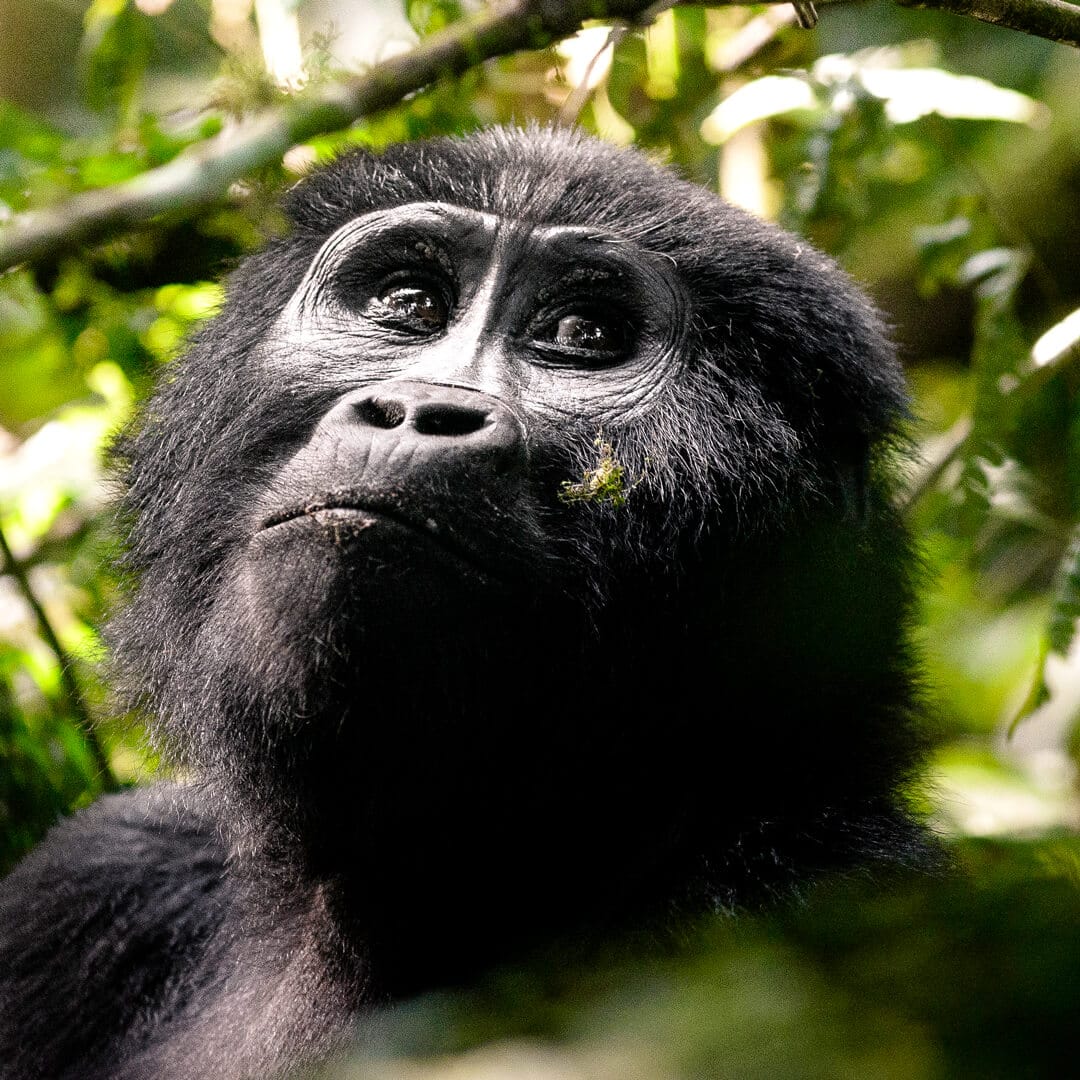
Mountain Gorillas
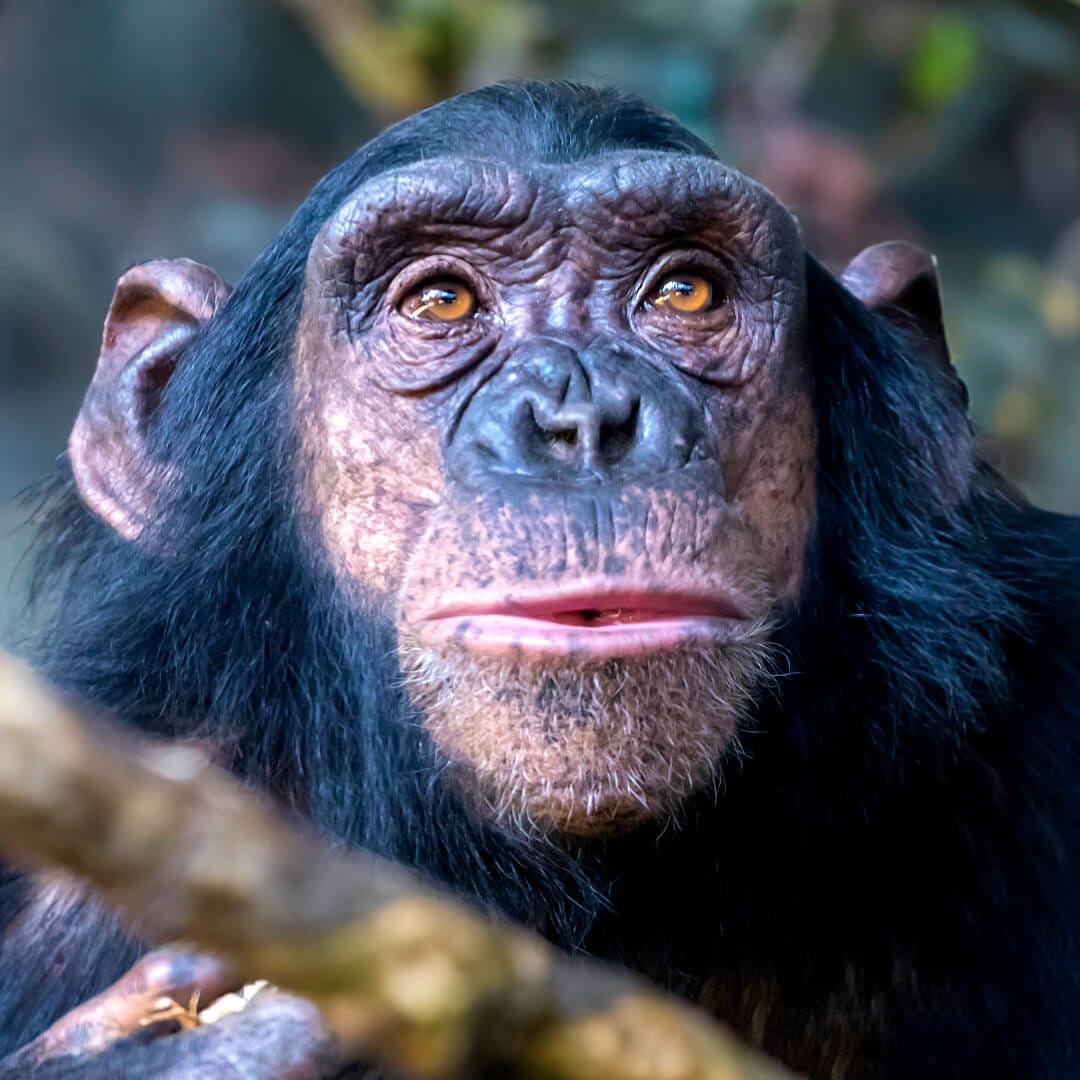
Chimpanzees
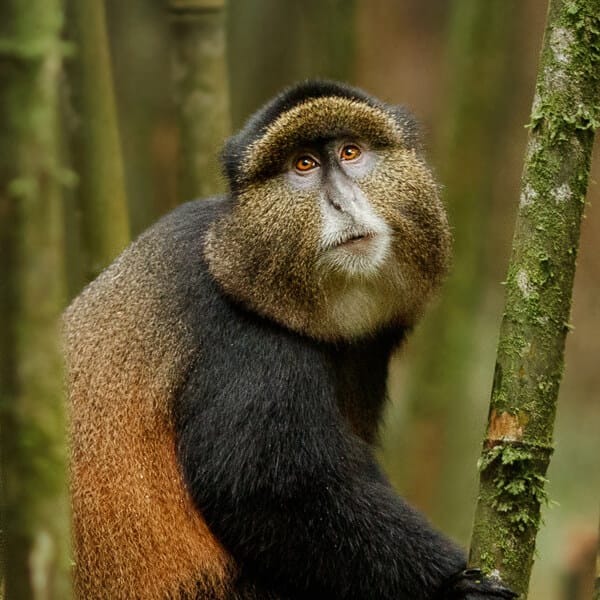
Golden Monkeys
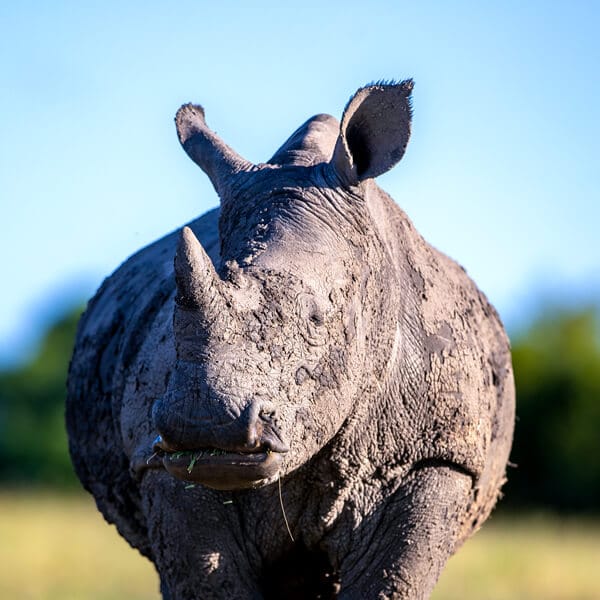
Black Rhinos
Where the Wild Lives
Our Immersive Safaris
Where You’ll Stay
More about Rwanda
When is the best time to visit Rwanda?
Rwanda is a year-round destination, though many travelers prefer the drier seasons between June and September and December to February. These months usually offer easier trekking conditions in Volcanoes National Park and good wildlife viewing in Akagera. The wetter months bring lush landscapes, fewer visitors, and atmospheric forest scenery, making them appealing for travelers seeking a quieter journey.
Where can I see mountain gorillas in Rwanda?
Mountain gorillas are found in Volcanoes National Park in northern Rwanda. The park forms part of the Virunga Massif, a volcanic mountain range shared with Uganda and the Democratic Republic of Congo. Treks are led by experienced rangers and trackers who guide visitors through bamboo forest and mountain vegetation to locate habituated gorilla families.
How challenging is gorilla trekking in Rwanda?
The level of difficulty depends on where the gorilla family is located on the day of the trek. Some walks are relatively moderate, while others may involve steeper terrain, mud, and longer hiking times. A reasonable level of fitness is helpful, and porters are available to assist with bags and support along the trail.
How much time do visitors spend with the gorillas?
Once the gorilla family is located, visitors spend one hour with them. This limit helps protect the gorillas while allowing guests a meaningful encounter. During that hour, travelers may observe feeding, resting, grooming, play, and social interaction while guides quietly explain the behavior of the group.
What wildlife can I see in Rwanda besides gorillas?
Rwanda offers much more than gorilla trekking. Volcanoes National Park is known for golden monkeys, Nyungwe Forest is home to chimpanzees and colobus monkeys, while Akagera National Park supports lions, rhinos, elephants, buffalo, giraffes, zebras, hippos, crocodiles, antelope, and abundant birdlife.
Is Rwanda suitable for luxury safari travel?
Yes. Rwanda is one of Africa’s most refined safari destinations, especially for travelers seeking gorilla trekking, exceptional lodges, strong guiding, and smooth logistics. Its compact geography, high-end accommodation, and well-managed parks create a polished travel experience without losing the emotional depth of wilderness and cultural connection.
How many days are ideal for Rwanda?
A short Rwanda journey can be done in four or five days, especially for gorilla trekking. For a richer experience, seven to ten days allows time for Volcanoes National Park, Akagera National Park, Nyungwe Forest, and Lake Kivu. Rwanda also combines beautifully with Uganda, Kenya, or Tanzania.
Is a permit required for gorilla trekking?
Yes. Gorilla trekking in Volcanoes National Park requires a permit. Permits are limited each day to protect the gorillas and manage visitor numbers, so advance booking is highly recommended. The permit includes park access, ranger guidance, tracking support, and one hour with a habituated gorilla family.
What should I pack for Rwanda?
For gorilla trekking, pack sturdy hiking boots, long trousers, long-sleeved shirts, a lightweight rain jacket, gardening gloves, insect repellent, sunscreen, and a small daypack. Rwanda’s highland areas can be cool in the morning and evening, so warm layers are recommended.